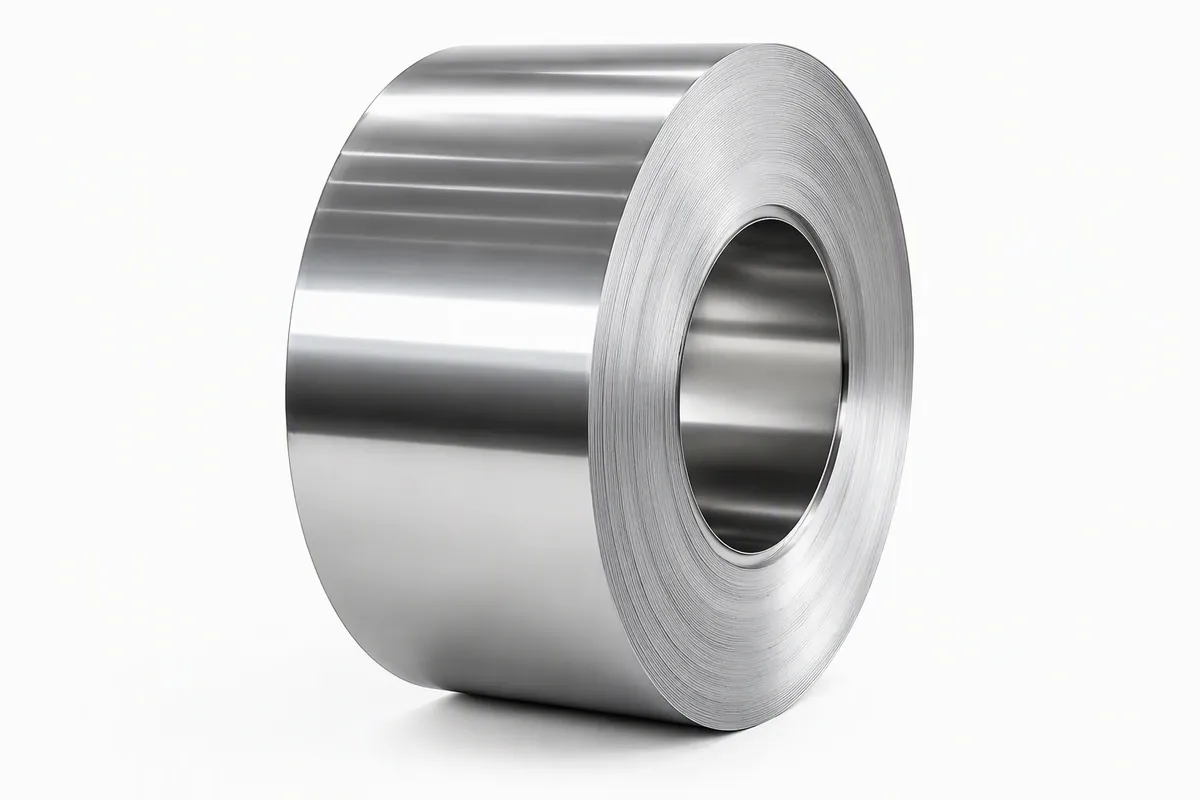
The tonnage on a steel order can be settled in two different ways, and they rarely produce the same figure. Theoretical weight is calculated from the nominal dimensions of the product using a standard density, while actual weight is what the weighbridge reads when the material is loaded. A quotation that simply says tons without saying which basis applies leaves that gap open, and it is one of the most common sources of a disputed invoice.
Most of the difference comes from rolling tolerances rather than from any error by the mill. A coil or plate is allowed to sit anywhere within the thickness band of the governing standard, and material rolled towards the lower side of that band weighs less than the nominal calculation while still being fully compliant. Density assumptions add to the effect, since carbon steel is normally calculated at the standard figure of 7.85 grams per cubic centimetre while stainless and aluminium differ. Where the material is coated, the question of whether the zinc or paint layer is counted also changes the number.
It therefore pays to fix four points before the purchase order is signed. State whether the offer, the contract and the invoice use theoretical or actual weight, and if theoretical weight is used, confirm the density figure and the nominal dimensions it is based on. Say plainly whether coating mass and packing are included in the invoiced tonnage. And agree the tolerance that applies, whether it is taken from the tolerance tables of the governing standard such as EN 10051 for continuously hot-rolled sheet or ASTM A6 for plate, or from a figure written into the contract. Finally, agree what evidence travels with the shipment, because a weighbridge ticket issued at loading is what allows both sides to reconcile the figure on arrival.
None of this requires unusual terms. It requires the offer to be specific about the basis of weight, and the shipping documents to carry a record that both parties can check. Buyers who settle these four points before ordering rarely argue about tonnage afterwards, and they can compare two quotations on equal terms instead of on a number that was never measuring the same thing. We have manufactured and exported steel for more than twenty years from an eighty-thousand-square-meter facility with an annual capacity of six million tons, serving buyers in more than one hundred countries under ISO 9001, and every order ships with a mill test certificate traced to its heat number. Send us your specification, quantities and destination port, and we will state the weight basis, the tolerance and the documents in writing with the offer.