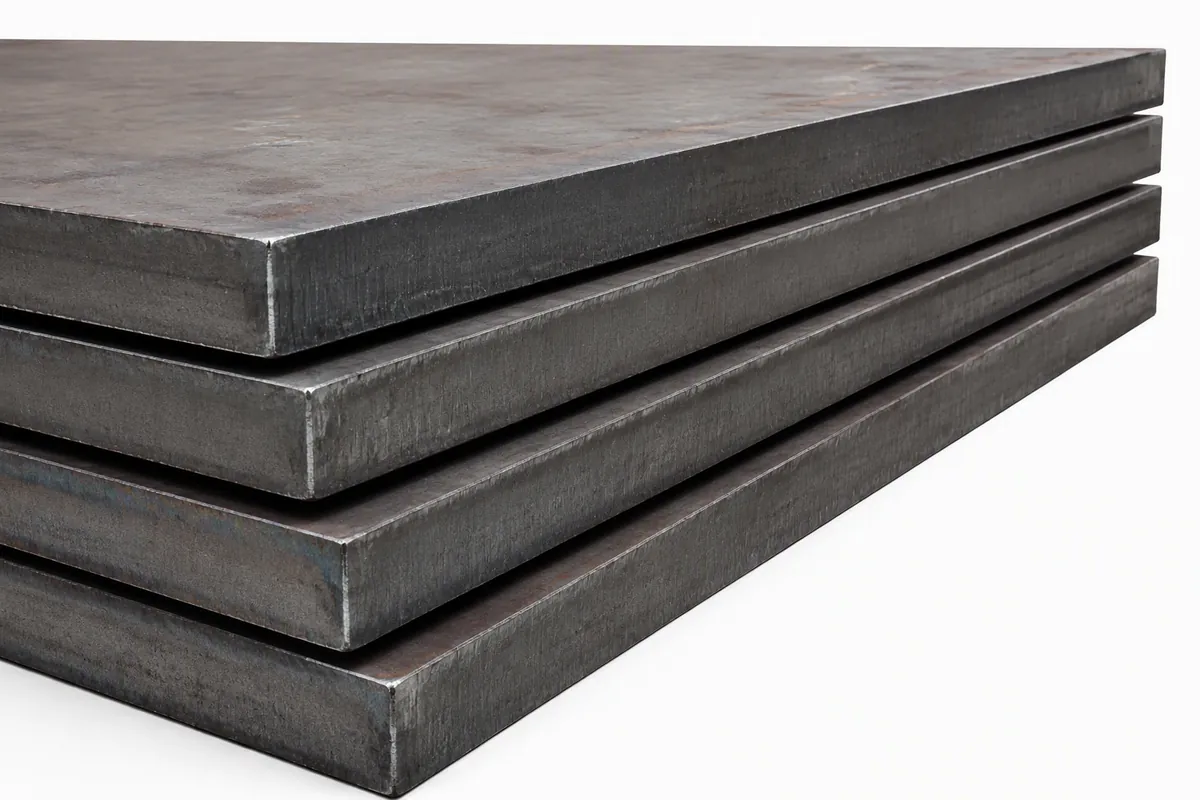
Cargo damage is almost never decided at the port. It is decided weeks earlier, when the packing method and the loading plan are settled, or more often when they are left to whoever happens to handle the goods. Steel is heavy, it is stacked against itself for weeks at sea, and it arrives in a humid environment it was not made for. Writing the packing and loading requirements into the order is the cheapest insurance a buyer can take out.
Packing has to be specified rather than assumed. Decide whether the material is supplied in bundles banded with steel strip, crated, or palletised, and say what edge and corner protection is required. For anything that will sit in transit for a long time or pass through a tropical route, ask for the moisture protection you need: protective wrapping, a vapour-phase inhibitor, or desiccant inside the packing. Specify the maximum bundle weight so that the crane and forklift at your own yard can actually lift it on arrival, not just the equipment at the loading port.
Loading is where good packing is either protected or wasted. Choose container shipment or breakbulk according to the lengths and tonnages involved, keep each container within the weight the line allows, and confirm how mixed lengths will be stowed so that shorter items are not crushed under longer ones. Ask how the load will be secured with dunnage and lashing, because a load that shifts in heavy weather damages itself and the container. Loading photographs, taken before the doors are closed, are the simplest evidence to hold if something is disputed later.
Marks matter more than buyers expect. Each bundle or package should carry shipping marks and item numbers that match the packing list, so that receiving and inspection at destination can be reconciled line by line without opening everything. We have manufactured and exported steel for more than twenty years from an eighty-thousand-square-meter facility with an annual capacity of six million tons, supplying buyers in more than one hundred countries under ISO 9001, and every order ships with a mill test certificate traced to its heat number. Tell us where the material is going and how you need it packed, and we will set out the packing, marking and loading plan with the offer.