Sourcing Steel from China
A practical starting point for overseas buyers: how the supply chain is organised, what a service center actually does, and what to prepare before you ask for a quotation.
How the chain is organised
Steel rarely travels from a furnace straight to a buyer. Between production and loading there are usually several organisations involved, and knowing which one you are talking to explains most of the differences you will see in lead time, documentation and price structure.
The three broad roles are the mill, the processor, and the export supplier. Some companies occupy more than one role, which is why two quotations for the same specification can look quite different.
Mills produce, processors prepare
A mill produces steel in large, standardised heats and supplies it in substantial quantities. Its strength is consistency of grade and chemistry. Its constraint is that minimum order quantities and rolling schedules are set by production, not by your project.
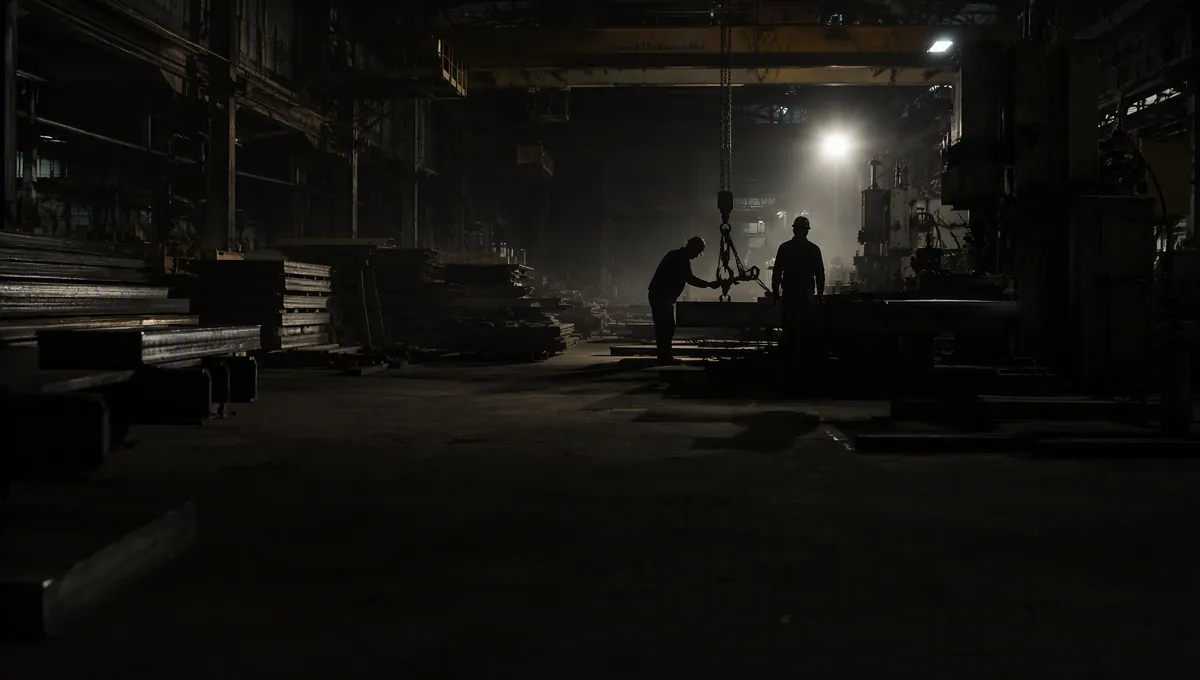
A processor — often called a service center — holds material in stock and prepares it to order: cutting to length, slitting to width, shearing, levelling and trimming edges. This is what makes it practical to buy a quantity that suits a single project rather than a full production run.
What this means for your order
If your requirement is large and the specification is fixed, going closer to the mill usually makes sense. If you need several sizes, a smaller quantity, or a short turnaround, a processor is normally the better fit — and it is also the party that can combine items into one shipment.
Either way, the same three things decide whether an order runs smoothly: a specification precise enough to quote, documents that travel with the material, and a lead time that accounts for processing and shipping rather than production alone.