Contacting a Chinese Steel Supplier
What to put in a first enquiry, how to read the replies, and the steps that normally follow before an order is placed.
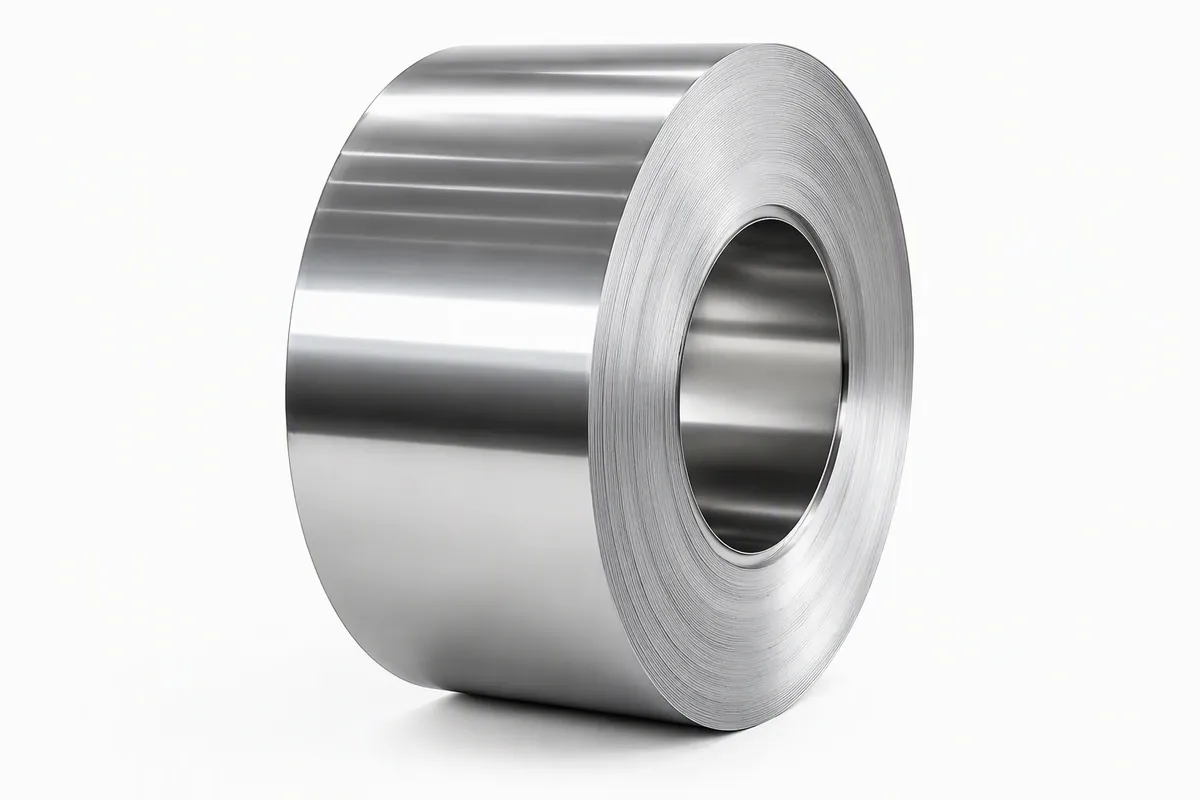
A first enquiry is a specification
The fastest way to get a usable response is to send a specification rather than a question. Most delays in the early stage come from enquiries that do not contain enough information to quote, which produces either a generic reply or none at all.
Useful to include: the standard and grade, the product form and finished dimensions, the quantity, the destination port, and — briefly — what the material will be used for. The application often explains tolerance and surface requirements that would otherwise need a second round of messages.
Reading the replies
When comparing responses, check what is being offered rather than only the headline figure. Confirm the standard and grade, the condition of the material, the dimensions and tolerances, what documentation will accompany the shipment, and what is excluded from the offer.
It is normal and reasonable to ask specific clarifying questions. A supplier who answers them precisely is easier to work with than one who answers quickly and vaguely.
What normally happens next
Once the specification is agreed, the usual sequence is a written offer, then confirmation of the material and terms, then production or stock release, then inspection and documentation, and finally shipment. Each step is easier if the specification has not changed since the offer.
If your requirement may change — dimensions, quantity, or delivery schedule — say so at the beginning. It is far easier to accommodate before material is cut than after.
Getting in touch
Our sales team answers enquiries with a quotation and an indication of lead time, and can tell you which documents are available for the product you need.